

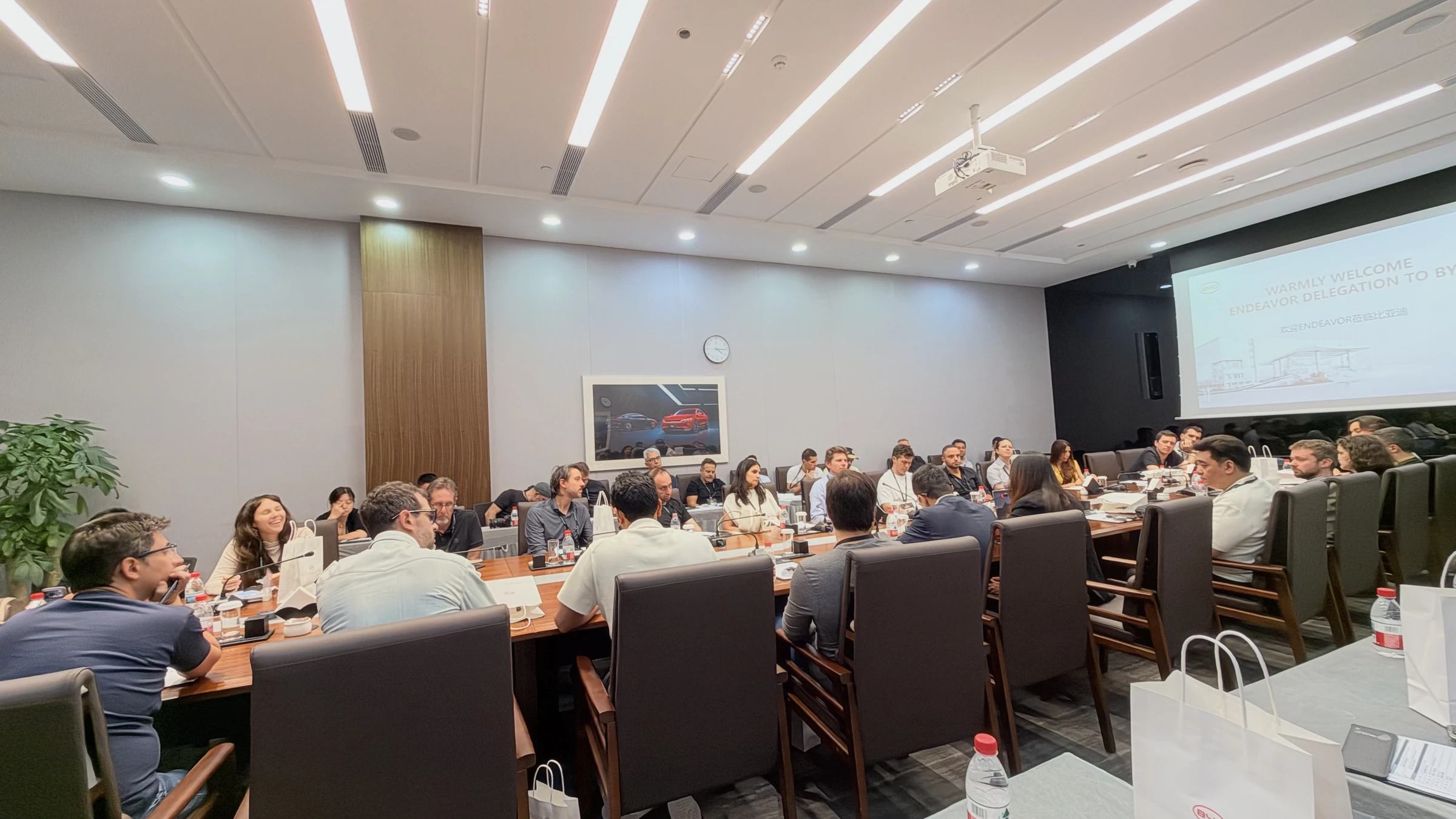
I spent an afternoon at BYD’s headquarters in Pingshan, Shenzhen, with the Endeavor delegation. There was a showroom, a technology exhibition, a yard full of cars and, at the end, a meeting in a room with a welcome screen for the group. That conversation was where Brazil came up the most. I heard more than once that Brazil is the sales champion in their world.
I left with that line in my head and went to check the public numbers. The wording BYD itself uses is more precise: Brazil is the company’s largest market outside China. The phrase appears in the release on retail leadership, «Brazil is already BYD’s largest market outside China», and in what Tyler Li, CEO of BYD in Brazil, said in the announcement of the research center in Rio. China, the home market, is still far bigger. What I heard in the room holds for the world outside China, and there Brazil is in front.
Walking through the headquarters, though, it became clear that describing BYD only as a carmaker leaves half the story out. The car shares the building with a monorail, battery containers, AI servers, chips and a wall of patents. This piece is my attempt to put those parts together: what BYD makes, the technology behind the business, what the financial reports show and where Brazil fits.
From a battery factory to four industries
BYD started small and far from cars. According to BYD Europe’s corporate page, the company was founded with 20 employees making rechargeable batteries, became the first lithium-ion battery supplier for Motorola, and only later moved into cars, then buses and, after that, monorails. The chairman is Wang Chuanfu, who signs the company’s reports. Its shares trade in Hong Kong and Shenzhen.
Today the group’s website organizes the company into four industries: automobiles, electronics, new energy and rail transit. The idea BYD uses to tie it all together is a zero-emission solution that runs from capturing energy to storing it and using it. In its 2025 annual report, the company talks about «three green dreams»: solar power, energy storage and electric vehicles.
The size of this machine shows in the research numbers. The same annual report says BYD has more than 120,000 engineers, more than 71,000 patent applications and more than 42,000 patents granted. In 2025, research and development spending was about RMB 63.4 billion, up 17%, and the cumulative total passed RMB 240 billion. In the 2026 interim results, spending for the half year was about RMB 28.9 billion, with the cumulative figure above RMB 270 billion. On the 2025 Fortune Global 500 list, cited in the annual report, BYD ranked 91st.
The BYD map
Cars, with four brands
The business everyone knows is the largest. In 2025, BYD sold 4,602,436 vehicles, according to the annual report, of which 4,545,423 were passenger cars. Automobiles and related products accounted for 80.68% of the year’s revenue. According to the year-end report published by Gasgoo, about 1.05 million of those vehicles were sold outside China. In the 2026 interim results, BYD said it had built its 16 millionth new energy vehicle and described itself as the first carmaker in the world to reach that mark.
BYD’s car business is split into brands. The BYD brand has the Dynasty and Ocean lines for the mass market. Above it sit Denza, Fangchengbao and Yangwang, each with its own pitch: Denza in luxury, Fangchengbao in models with a more off-road personality, and Yangwang at the top of the range. Together, the three doubled their sales in 2025, according to the annual report. In the first half of 2026, they grew 61% and reached 12.8% of the group’s passenger car sales.
21世纪经济报道, one of China’s main business newspapers, broke down the third quarter using BYD’s production and sales data: the three brands sold 180,700 vehicles, up 97%, or 13.7% of the group’s total. Fangchengbao accounted for about 70% of that, with 126,000 units in the quarter, more than 40,000 a month for three months in a row and an average price above RMB 220,000. Yangwang, at the top, sold 389 cars in September 2026, and the paper describes its weight in the group’s volume as symbolic.
Buses, trucks and other commercial vehicles
Buses came to BYD after cars and are still a business of their own. For 2025, the annual report records 57,013 commercial vehicles sold, up 161.83%, of which 4,923 were buses. Citing the China Bus Statistics Information Network, the company says it led new energy bus exports for the third year in a row, with a 24% share. The same report mentions the launch of e-Bus Platform 3.0 and describes BYD as the only company in the sector that masters battery, motor, electronic control and chip for commercial vehicles.
On BYD Europe’s page, the strategy goes by another name, «7+4»: electrify seven common types of transport (city buses, coaches, taxis, sanitation trucks, construction vehicles, logistics vehicles and passenger cars) and four special environments (mines, ports, warehouses and airports).
SkyRail and SkyShuttle, the rail business
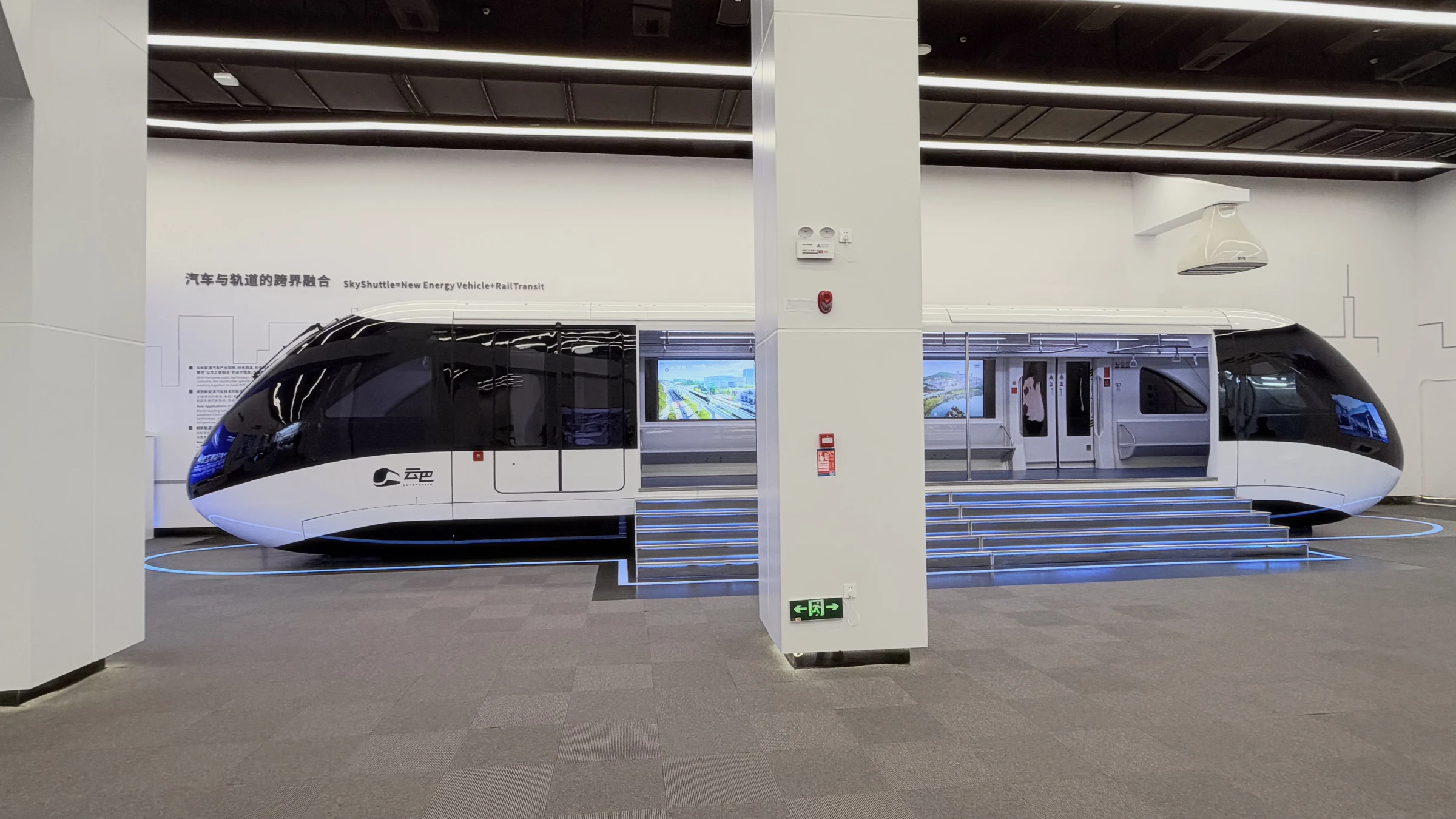
This is the business line that most surprises people who arrive thinking about cars, and the one most connected to Brazil without most people knowing. BYD makes two rail systems: SkyRail, a medium-capacity monorail, and SkyShuttle, called 云巴 in Chinese, for low capacity. On the official SkyShuttle page, the company says it spent seven years and close to RMB 10 billion developing the system, with 100% in-house intellectual property, no driver and no use of street space.
The group’s website lists the cities where BYD rail systems already run, and São Paulo is on the list. Line 17-Ouro of the São Paulo Metro, which links Morumbi to Congonhas Airport, runs SkyRail trains. According to AutoData, there are 14 trains built by BYD, in the company’s first rail project outside China. Each train has five cars, 114 seats, room for 616 passengers, a top speed of 80 km/h and fully automatic operation. The report mentions a detail that links the businesses: the Blade battery pack, the same technology used in the cars, lets the train run another 8 kilometers if the power goes out.
Energy storage
The same battery that goes into the car becomes a power plant in another format. According to the annual report, BYD shipped more than 60 GWh of storage systems in 2025 and ranked first in the world among makers of these systems. The company says it has supplied more than 650 large projects in more than 110 countries and regions and controls the whole chain, from the battery to the power converter and the energy management software. The largest contract it cites is with Saudi Electricity: 12.5 GWh, which BYD describes as the largest grid-side storage project in the world.
The newest product is the Haohan system. It uses a Blade cell designed for storage, at 2,710 Ah, which BYD presents as the largest in the world, in a minimum unit of 14.5 MWh with IP66 protection. In an answer to investors reproduced by Sina Finance, the company said cumulative storage shipments had passed 135 GWh by the end of 2025.
The 2026 interim report explains why this business is growing: BYD names the energy transition, energy security and the build-out of AI computing infrastructure as the three forces driving the sector. Data centers need steady power, and BYD sells the battery that stores it.
Batteries
The battery is still the base of everything. The annual report describes BYD as one of the world’s largest makers of rechargeable batteries, in three areas: consumer, traction and storage. The Blade battery uses lithium iron phosphate chemistry, LFP, which BYD says it brought back to the center of the car battery market because of safety. The company covers all the demand of its own cars and sells batteries to other carmakers.
BYD Electronic
The fourth arm is BYD Electronic, listed separately in Hong Kong. It makes components and assembles products for phone, computer and smart home brands, and now also for cars and data centers. In BYD Electronic’s 2026 interim results announcement, revenue was RMB 82.23 billion, up 2.02%, and profit attributable to shareholders fell about 75.35% to RMB 426 million, because of changes in product mix and foreign exchange losses. The new energy vehicle business, with intelligent driving, cockpit, thermal management and suspension systems, accounted for 16.56% of revenue.
The AI business is still small, 0.92% of revenue in the half year, but it is where the company is placing its bet. BYD Electronic says it already ships servers to several key clients, offers a package of servers, liquid cooling, high-voltage power supplies and interconnects, and made progress with liquid cooling plates for major clients outside China. In the headquarters corridor, one of the displays shows exactly that: a server branded BYD Electronics.
The technology behind the car
Second-generation Blade and FLASH Charging
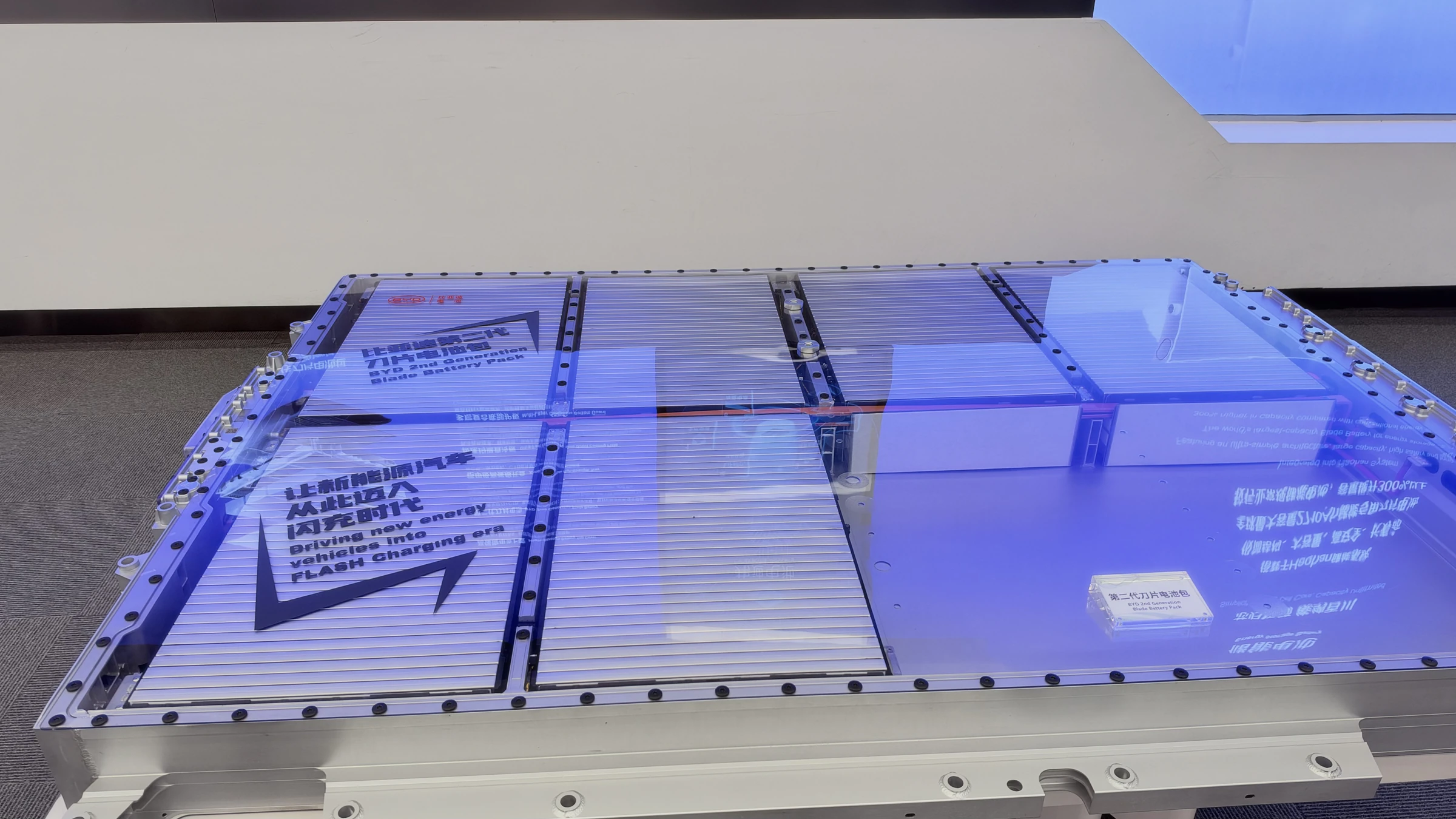
BYD’s latest technology launch put the battery and the charger together. In the official announcement of Blade Battery 2.0 and FLASH Charging, the company says the charger delivers up to 1,500 kW through a single connector under the Chinese standard. By BYD’s numbers, the battery goes from 10% to 70% in 5 minutes and from 10% to 97% in 9 minutes. At minus 30 degrees Celsius, it goes from 20% to 97% in 12 minutes. Energy density rose more than 5% over the first generation, and range passes 1,000 km on the Chinese CLTC cycle.
BYD says it took six years of research to get there and describes the chemistry in three parts: a cathode that releases ions faster, an electrolyte optimized with the help of AI and an anode that takes in ions faster. The chemistry is still LFP. In the nail penetration test, carried out after 500 fast-charging cycles, the battery did not catch fire, according to the company.
The charger alone does not solve the problem, and BYD knows it. The station network is part of the plan. At the end of the first half of 2026, there were 7,018 FLASH Charging stations in China, with a target of 20,000 by the end of 2026, according to the interim report. To deliver that much power, BYD pairs the stations with an energy storage system that discharges very quickly. It is BYD’s energy division working for its car division. The same report says FLASH Charging made its European debut at the Palais Garnier in Paris and that the plan is to take the network beyond China.
Super e-Platform and 1,000 volts
The battery needs a platform that can handle the power. BYD calls its own the Super e-Platform. In BYD’s official note, the company describes it as the first mass-produced passenger car architecture with 1,000 volts across the whole system, with 1,000 V, 1,000 A and 1,000 kW charging. The sales pitch is «5 minutes of charging, 400 km of driving». The same platform includes a motor that spins at 30,000 revolutions per minute.
Under the car, BYD also shows its «skateboard» chassis, with battery, motor and electronics on a flat base on which the body is mounted. The exhibition had a screen showing this chassis and, next to it, the 云辇 intelligent body control system, which the BYD brand center presents in air, hydraulic and electric versions. The same page describes 易四方, with four independent motors, one per wheel.
Chips: silicon carbide and the Xuanji A3
This is where BYD’s vertical integration is most visible. In the same Super e-Platform note, the company says BYD Semiconductor developed a 1,500 V silicon carbide power chip using a fully in-house technology chain, and credits the result to the group’s vertical integration. According to BYD, it was the first mass application of this kind of chip at that voltage in a motor drive.
In the 2026 interim report, BYD announced the Xuanji A3, which it describes as China’s first 4-nanometer intelligent driving chip, supporting level 3 and 4 autonomous driving. Three chips working together exceed 2,100 TOPS of computing power, and the company says power consumption per unit of computing is 20% lower than in comparable solutions.
The policy behind this is written in the annual report: BYD keeps control of research and production of batteries, motors, electronic controls and chips, while saying it works with outside suppliers on a competitive basis. For someone visiting the headquarters, it shows up as one corridor after another in which almost everything on display carries the company’s own brand.
DM-i, the hybrid
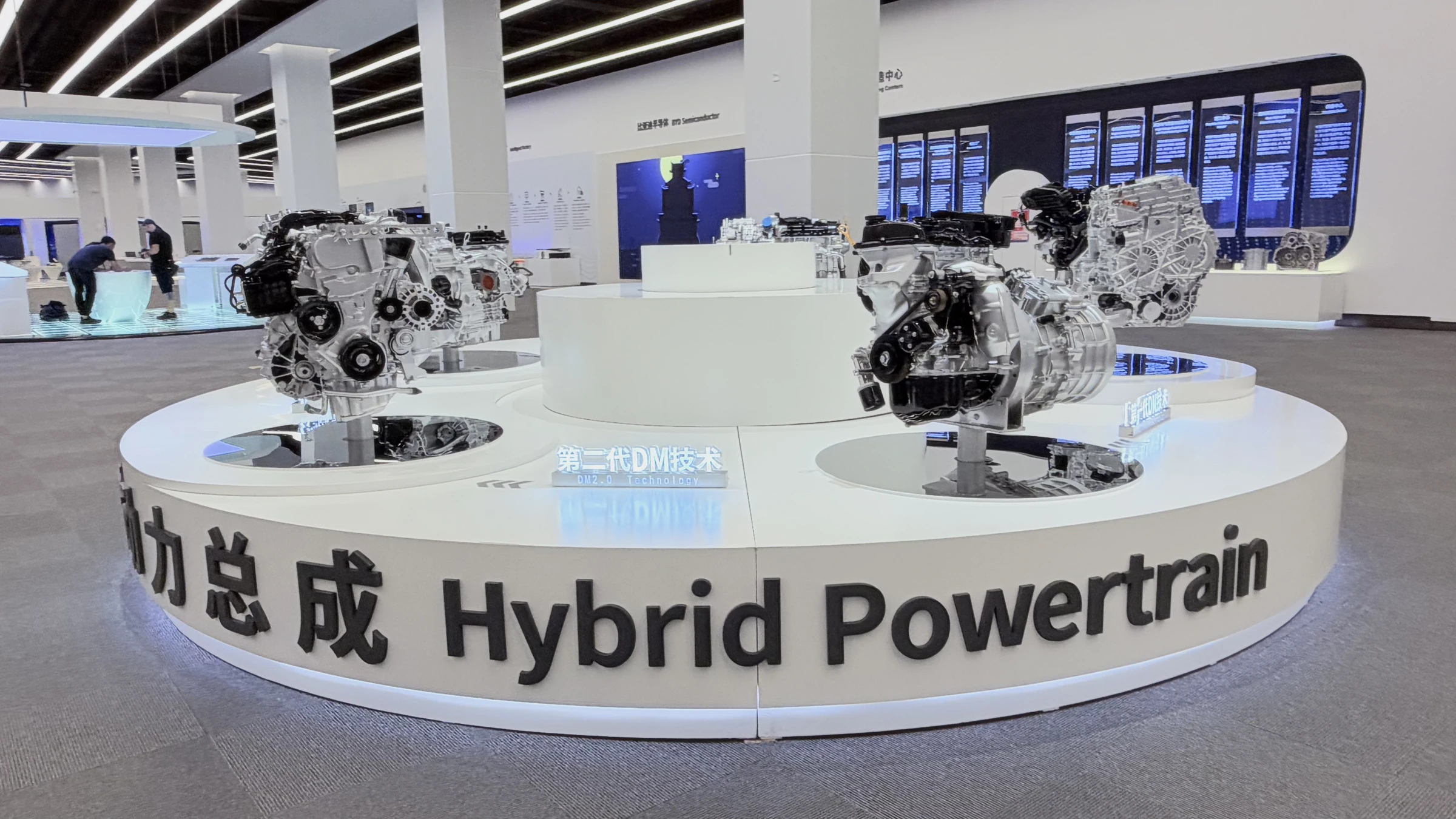
Alongside pure electric cars, BYD keeps a strong line of hybrids. According to the BYD brand center, research on DM technology started more than two decades ago and is now in its fifth generation. For the fifth-generation DM-i, the company reports fuel use of 2.9 liters per 100 km with the battery depleted, on the NEDC cycle, 46.06% thermal efficiency in the combustion engine and a combined range of 2,100 km. CnEVPost recorded the same numbers at the launch. The family also includes DM-p, focused on performance, and DMO, for off-road.
This is the area that speaks most directly to Brazil, where BYD presented a flex plug-in hybrid in Camaçari that runs on ethanol and gasoline.
God’s Eye, assisted driving
The other half of the new car is software. BYD calls its assisted driving system God’s Eye. In the 2026 interim report, the company lists four changes: the Xuanji 2.0 architecture, with a central brain that brings together cockpit, driving and the electric system; sensors in what it calls a «satellite» architecture; a Physical AI foundation model built on end-to-end learning; and the use of data at scale. At the end of the half year, BYD said it had more than 3.33 million cars with assisted driving on the road, collecting more than 210 million kilometers of data a day.
The company also says it was the first in the world to offer a safety guarantee for both urban navigation assistance and intelligent parking. The report itself calls car intelligence a «carrier of embodied intelligence», the same Physical AI theme I saw in Guangzhou, at XPeng.
The numbers
The big numbers do not all move in the same direction. In 2025, according to the annual report, revenue was RMB 803.96 billion, up 3.46%, and profit attributable to shareholders fell 18.97% to RMB 32.62 billion. In the first half of 2026, revenue was RMB 344.8 billion, down 7.13%, and profit was RMB 12.3 billion, down 20.54%. Automobiles accounted for about 79.85% of revenue in the half year and electronics for about 20.13%.
The third quarter turned the curve. According to Reuters, profit rose 28% to RMB 10 billion, below what the brokerages polled by the agency expected, and revenue rose 13.6% to RMB 221.5 billion, ending four straight quarters of decline. Global sales in the quarter passed 1.32 million vehicles, with shipments outside China more than doubling. The same report says Wang Chuanfu is aiming for the top spot in the global auto industry within five years and that Stella Li, executive vice president, sees geopolitics as the biggest challenge to expansion.
The reason for so much hurry abroad shows up in 21世纪经济报道. BYD sold 1.338 million cars outside China in the first nine months of 2026, up 90.7%, which already accounts for about 43% of the total. The paper cites an estimate by Soochow Securities that the company makes RMB 15,000 to 20,000 per car sold outside China, against about RMB 2,000 per car sold at home. The estimate is the brokerage’s. The same piece cites Guolian Minsheng Securities: the gross margin on automobiles fell from 23.0% in the second quarter to about 21.5% in the third. Wang Chuanfu, quoted by the paper, told shareholders that the target of 1.5 million cars sold outside China in 2026 should be exceeded.
Brazil on the BYD map
Sales
The numbers I found confirm the speed. In 2024, BYD sold 76,713 vehicles in Brazil, against 17,937 in 2023, according to a Xinhua report republished by Monitor Mercantil. In its 2025 annual report, BYD says it ranked first in new energy vehicle sales in several countries, and Brazil is one of them. In April 2026, by BYD’s own count, the brand led retail, meaning sales to individuals at dealerships, with 14,911 registrations and a 12.8% share. In that month’s total, counting direct sales, it was fifth.
In October 2026, BYD reported 24,114 registrations, a 9.7% share and fourth place in the country’s overall ranking. From January to October, 193,227 vehicles were registered, up more than 120% on the same period of 2025. Both figures are in the release on Camaçari’s first year, in which Alexandre Baldy, of BYD Brazil, repeats the company’s goal: «We want to lead the Brazilian automotive market by 2030».
Brazil’s position outside China is a cumulative one, and a single month can flip. In September 2025, the United Kingdom sold 11,271 BYD cars and Brazil 10,024, according to InsideEVs Brasil. For that year through September, Brazil was still well ahead, with 77,198 vehicles against about 35,000 in the UK.
Camaçari
If Brazil is the largest market outside China, Camaçari is BYD’s way of saying it intends to stay. The complex opened in the former Ford plant in Bahia, with a reported investment of R$ 5.5 billion and an initial capacity of 150,000 vehicles a year, which could reach 300,000 in a second phase, according to Agência Brasil. In the annual report, BYD says the Brazilian plant took 15 months from the start of construction to the first car and that it is the group’s first passenger car plant in Latin America. At the opening, the plant only assembled cars. The same coverage recorded the presentation of a flex plug-in hybrid designed for Brazil, which runs on ethanol and gasoline.
A year after the opening, BYD said the plant had passed 150,000 vehicles produced and 9,500 direct jobs. At the press conference marking the plant’s first year, in Salvador, Baldy told G1 that fully local production, with stamping, welding and painting, should start by the end of 2026, and that the first model will be the Atto 2, a flex plug-in hybrid. The same report mentions about 700 cars a day, BYD’s interest in Ford’s former port in Candeias, to export from Bahia to other countries in the Americas, and R$ 11 billion invested. That figure is G1’s and is higher than the R$ 5.5 billion announced at the opening. The difference may come from later investments, but I did not find a source that explains the math.
Reuters reported, in its coverage of the third-quarter results, that BYD has asked for approval to double the Brazilian plant’s capacity to 600,000 vehicles a year.
Rio, São Paulo and the port
The plant does not stand alone. In the same announcement in which Tyler Li talked about Brazil, BYD announced R$ 300 million for a research center and an experience track next to Galeão airport in Rio de Janeiro, with construction expected to start at the end of 2026 and opening planned for 2028. In São Paulo, the Line 17-Ouro trains bring the other half of BYD, the rail business, into the daily routine of people heading to Congonhas. And if the Candeias negotiation moves forward, Bahia becomes an exit point. In the annual report, BYD says it already operates eight vehicle carrier ships of its own.
What I saw in Shenzhen
The visit started in the entrance showroom, where the monorail shares space with the cars, and continued through a technology exhibition laid out like a map of the company. Below is what best sums up each part.
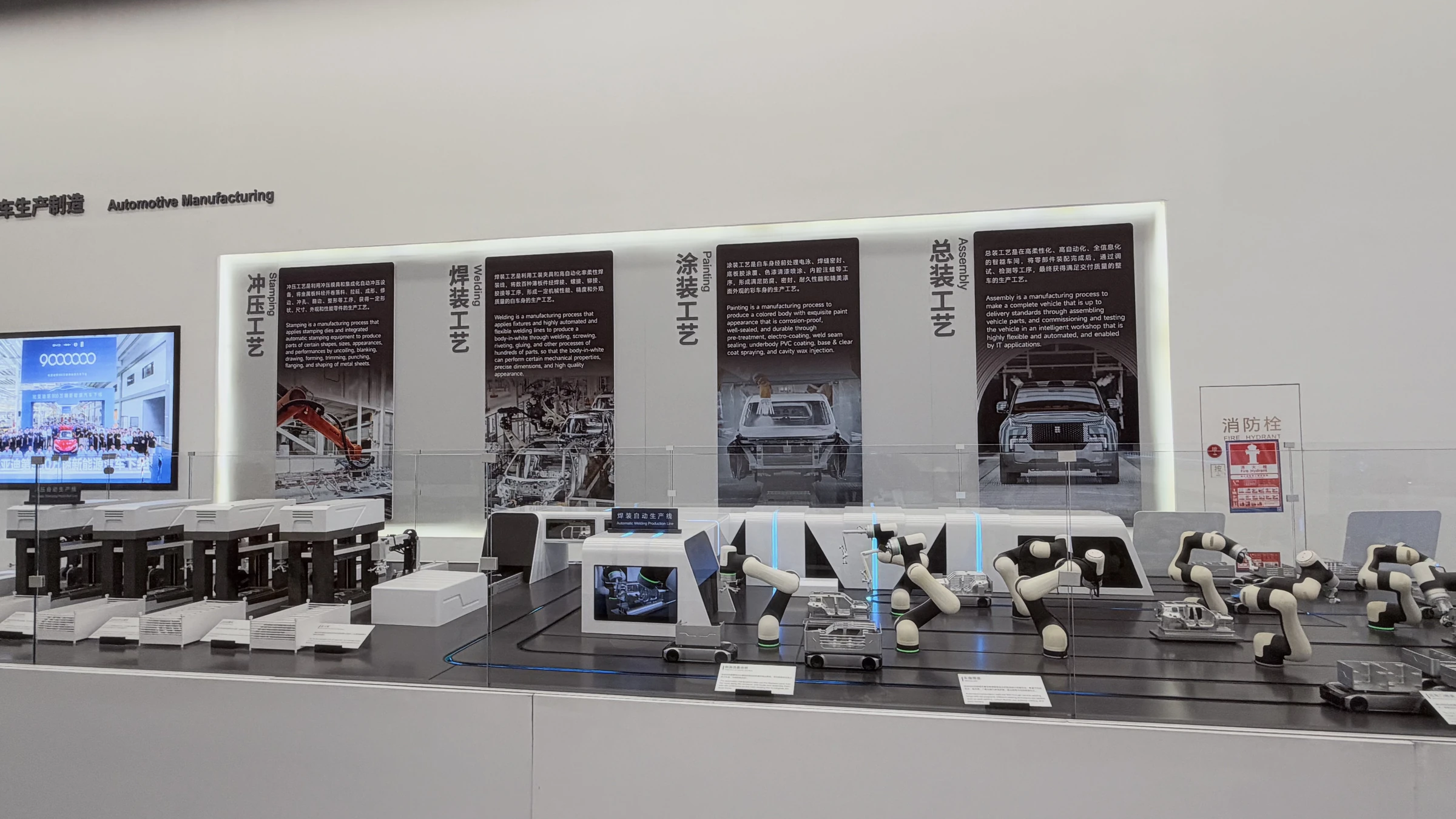
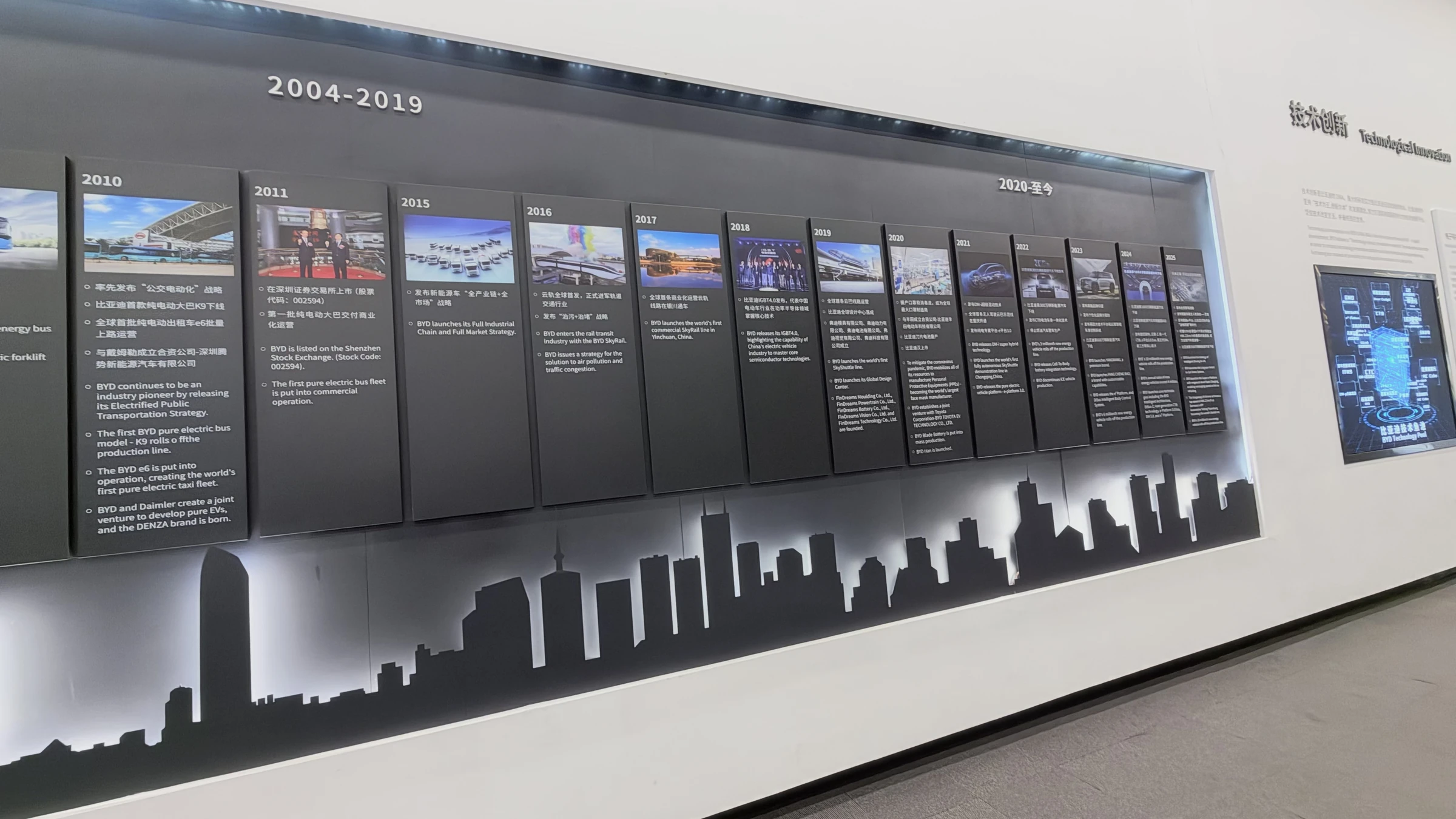
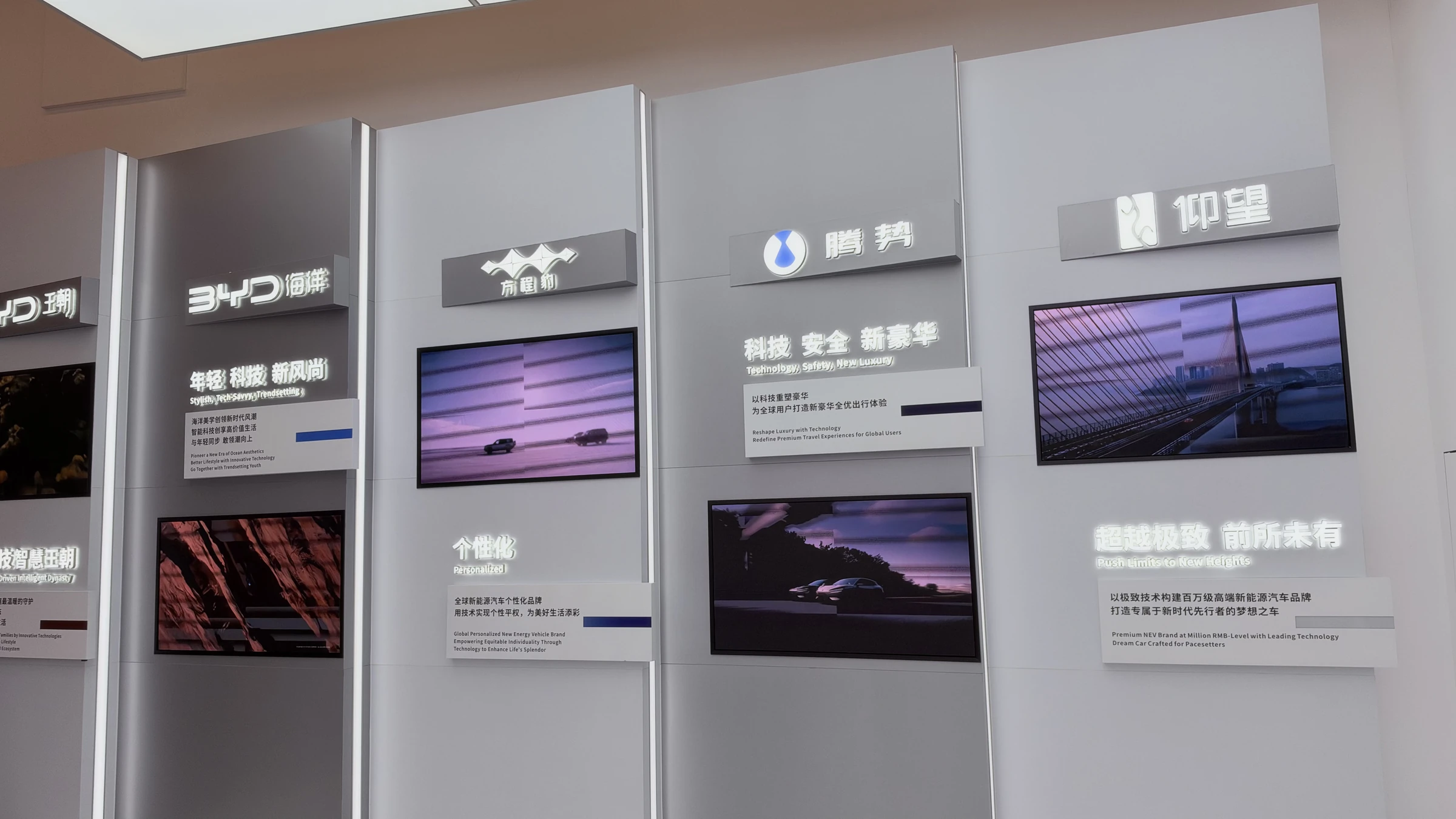
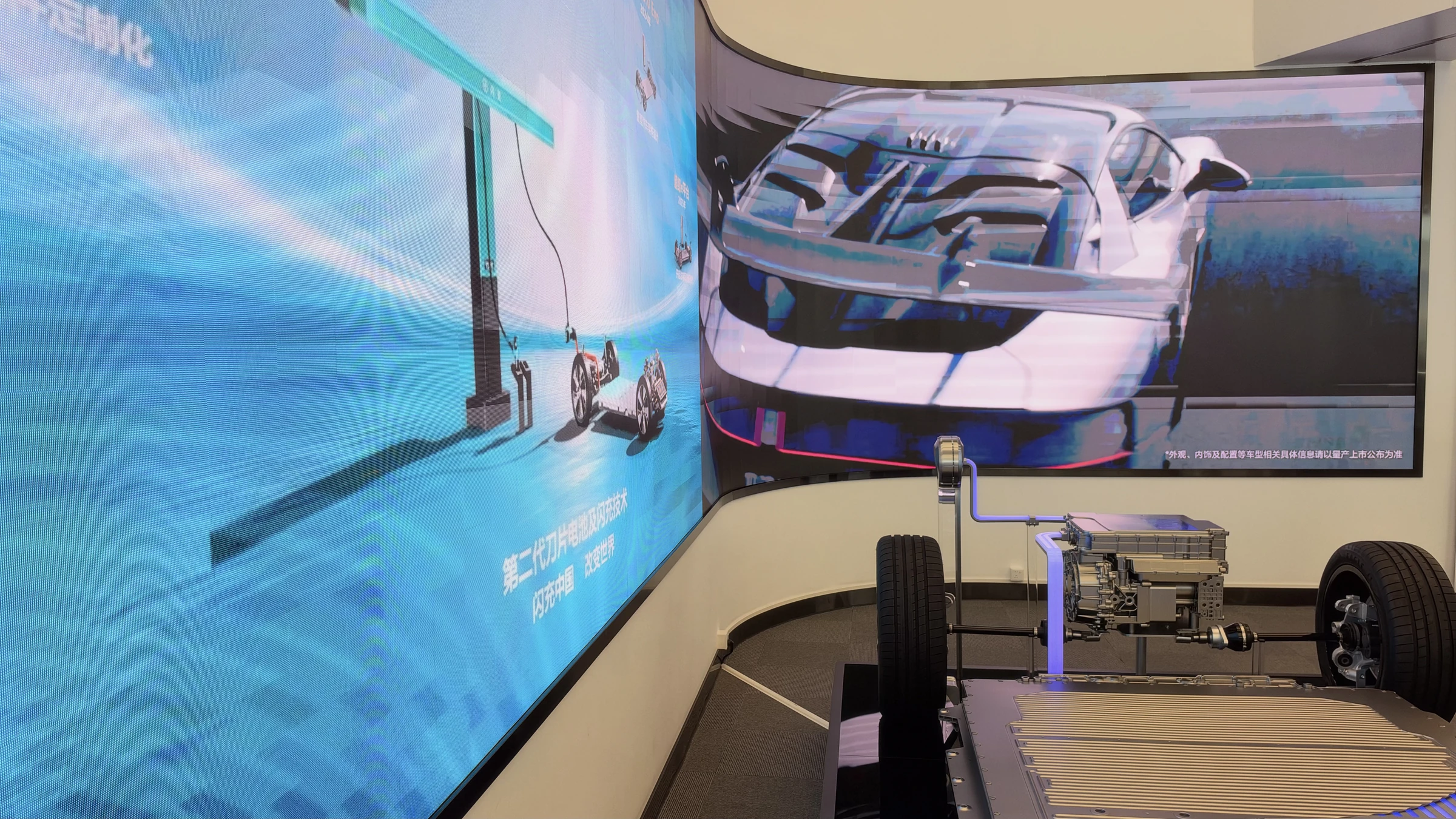
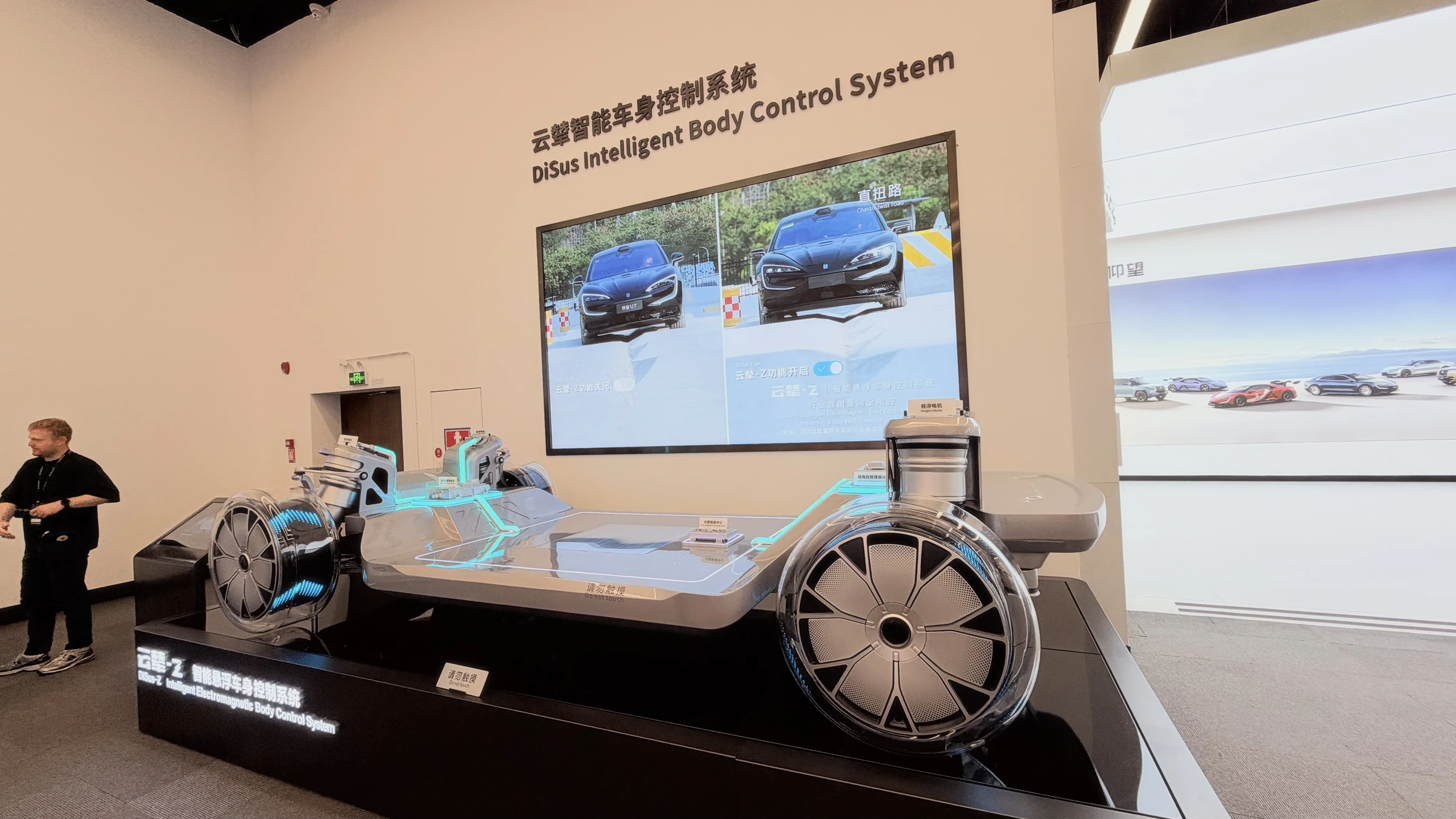
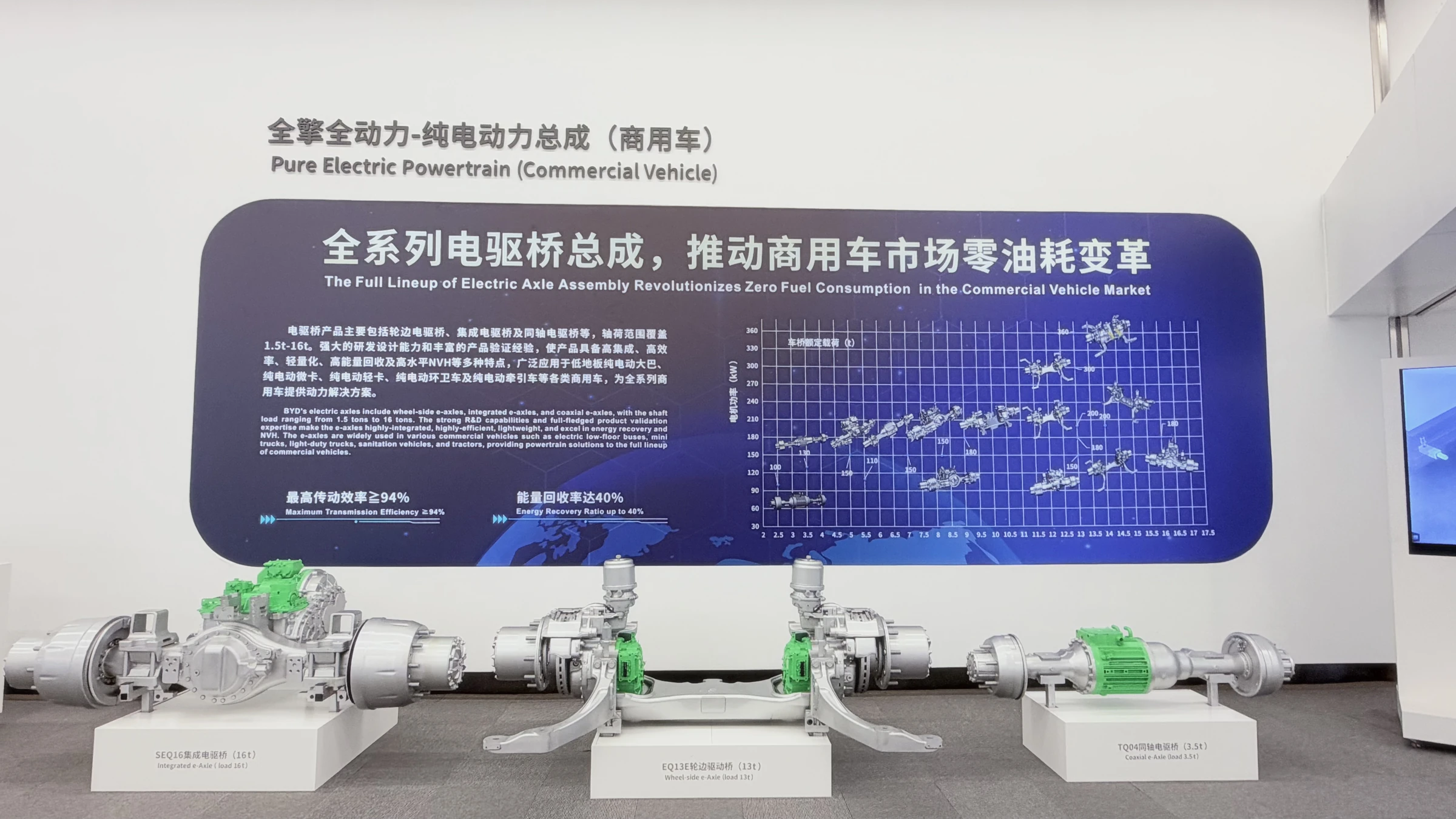
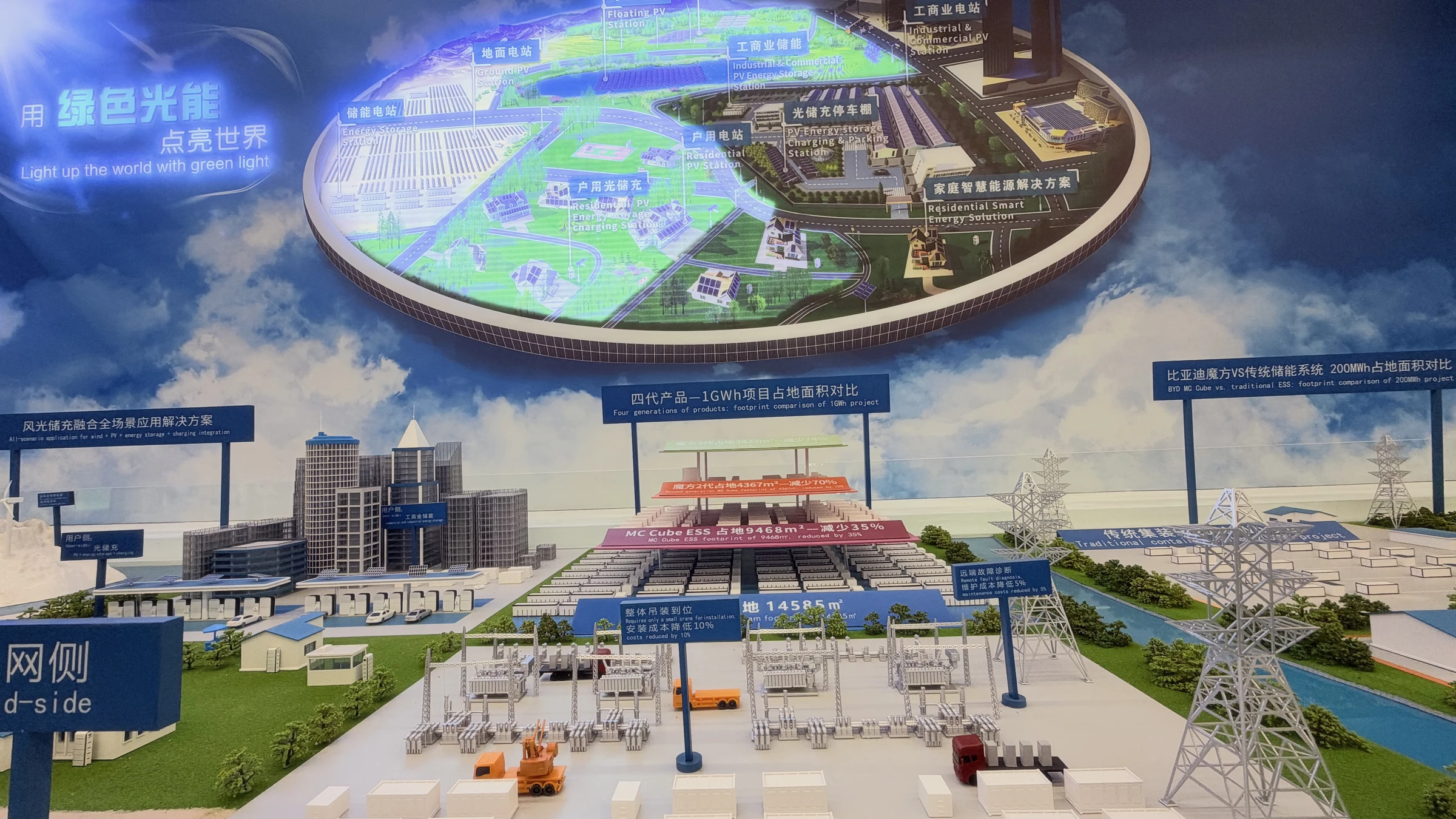
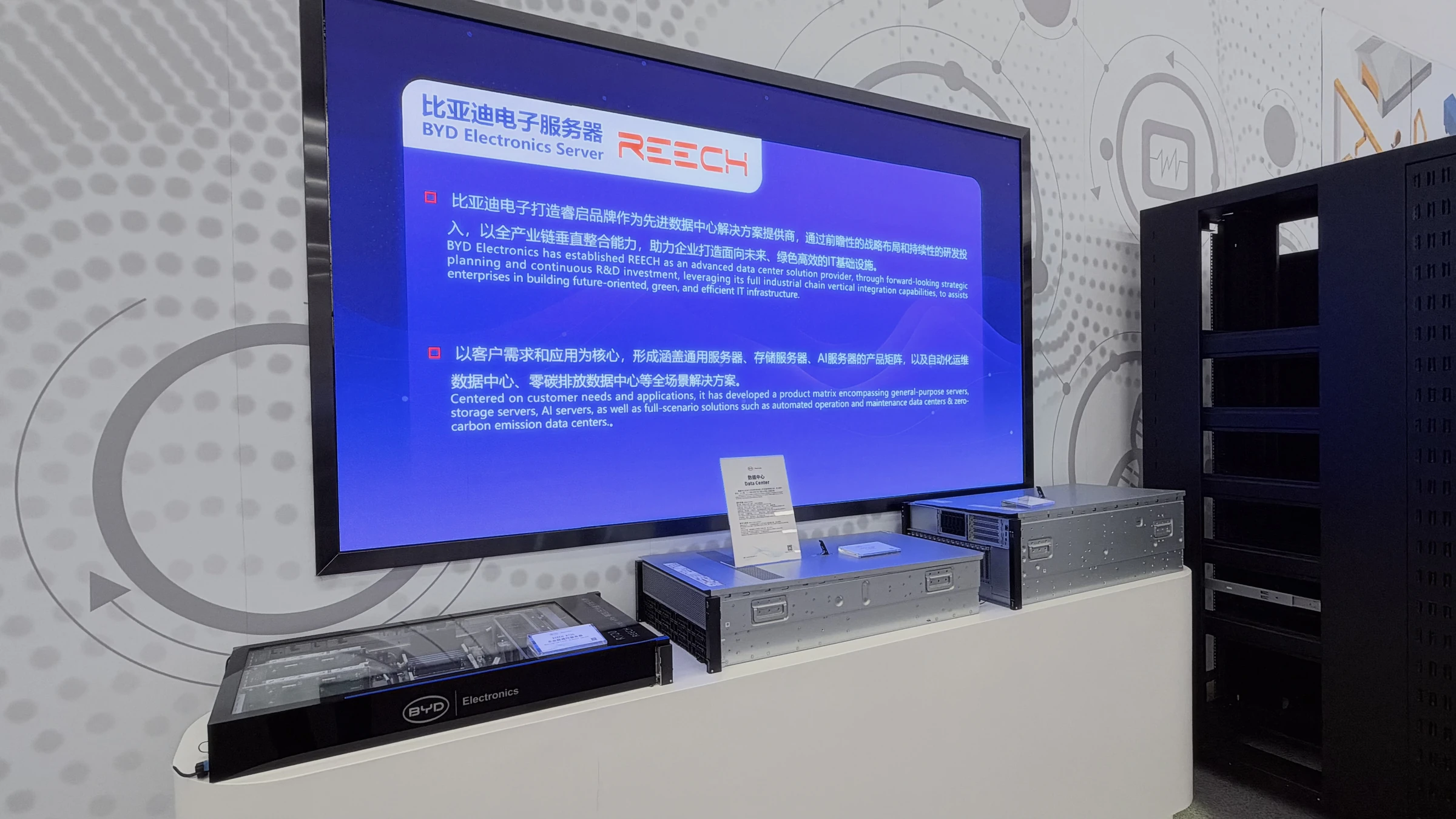
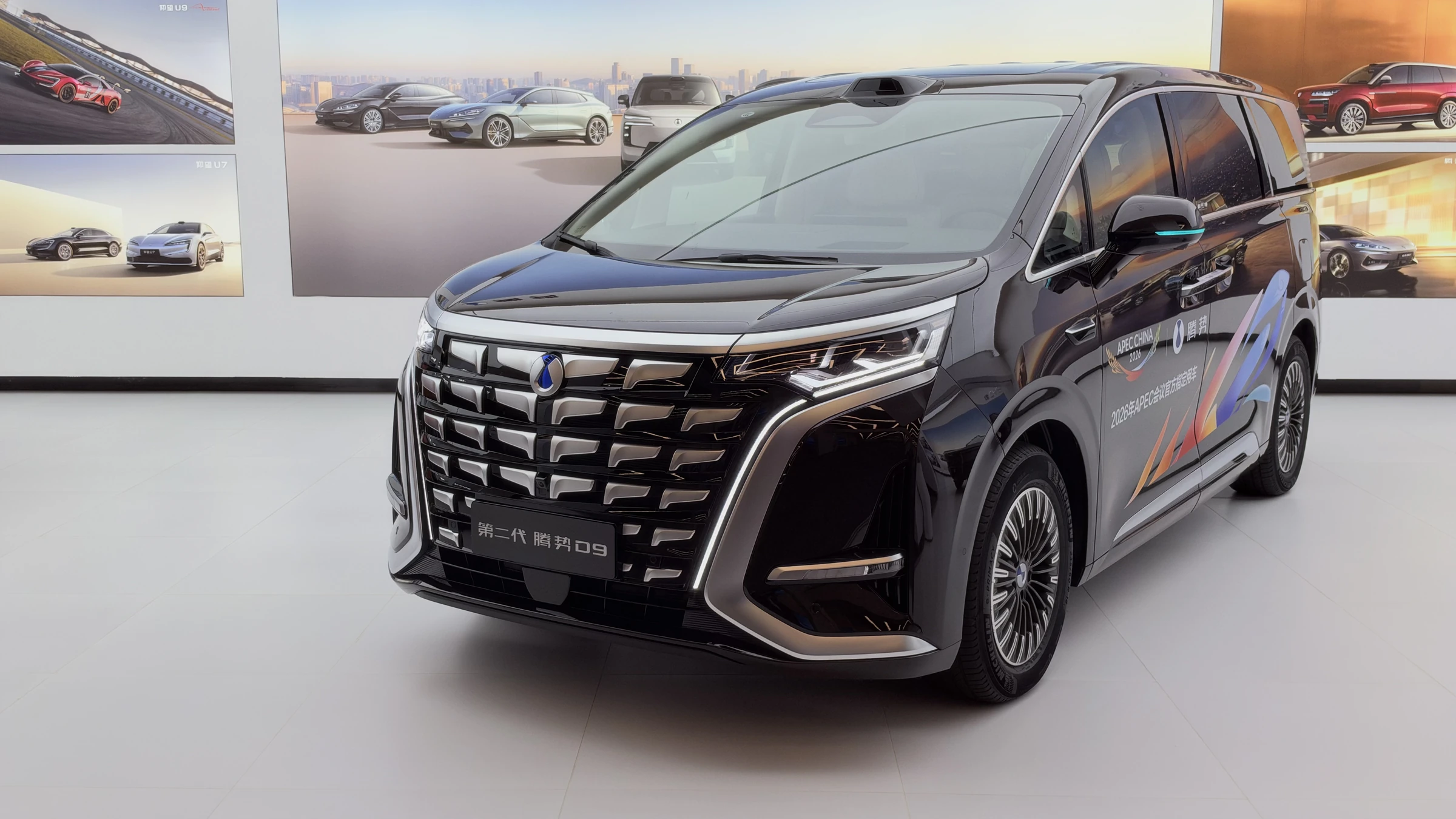
There was also a snow chamber with a car inside, a floor-to-ceiling patent wall, houses with solar panels and home batteries, a combustion engine from the hybrid line and a corridor with the history of BYD Electronic, from 1G to 5G phones. Those photos are in the vertical material from the visit and are left out of this piece.
What to watch from here
A few things will show whether the strategy works:
- whether Camaçari starts full production by the end of 2026, as BYD told G1, and whether the request to double capacity to 600,000 vehicles a year is approved;
- whether the purchase of the Candeias port is confirmed, and whether Bahia actually becomes an export point for the Americas;
- the FLASH Charging network reaching its target of 20,000 stations in China and expanding to other countries;
- the production pace of the second-generation Blade, which 21世纪经济报道 points to as a limit on sales of the fast-charging models;
- the automotive margin, which fell in the third quarter, and the weight of profit made outside China;
- whether BYD Electronic can turn servers and liquid cooling into meaningful revenue;
- the target for sales outside China, which Wang Chuanfu said should pass 1.5 million cars in 2026.
Summary table
| Topic | Main fact | Source |
|---|---|---|
| Brazil | BYD’s largest market outside China | BYD Brazil release |
| Sales in Brazil | 193,227 registrations from January to October 2026, up more than 120% | BYD Brazil release |
| Camaçari | R$ 5.5 billion at the opening; G1 reports R$ 11 billion; request for 600,000 a year | Agência Brasil, G1, Reuters |
| Global sales | 4,602,436 vehicles in 2025 | BYD annual report |
| Research | More than 120,000 engineers; about RMB 63.4 billion in 2025 | BYD annual report |
| Premium brands | Denza, Fangchengbao and Yangwang at 12.8% of passenger sales in the first half of 2026 | BYD interim report |
| Battery and charging | Blade 2.0 from 10% to 70% in 5 minutes; 1,500 kW charger | BYD release |
| Chips | 1,500 V silicon carbide; 4 nm Xuanji A3 | BYD |
| Storage | More than 60 GWh in 2025, first in the world | BYD annual report |
| Rail | Line 17-Ouro in São Paulo, with 14 SkyRail trains | AutoData, BYD website |
| Electronics | BYD Electronic: RMB 82.23 billion in revenue in the first half of 2026 | BYD Electronic report |
| Profit outside China | RMB 15,000 to 20,000 per car, against about RMB 2,000 in China | Soochow Securities, via 21世纪经济报道 |
Frequently asked questions
Is Brazil BYD’s largest market? Its largest outside China. BYD itself uses that wording in the release on retail leadership and in Tyler Li’s remarks. China is still far bigger.
Does BYD only make cars? No. The group is organized into four industries: automobiles, electronics, new energy and rail. It also makes batteries, energy storage systems, chips, monorails, and components and servers through BYD Electronic.
What is new in the second-generation Blade battery? Faster charging and higher density. According to BYD, it goes from 10% to 70% in 5 minutes on a 1,500 kW charger, with LFP chemistry and energy density more than 5% higher than the first generation.
How much has BYD invested in Camaçari? At the opening, Agência Brasil reported R$ 5.5 billion. In coverage of the plant’s first year, G1 reported R$ 11 billion. I did not find a source that explains the difference.
Are the Line 17-Ouro trains made by BYD? Yes. According to AutoData, there are 14 SkyRail trains built by BYD, and the group’s website lists São Paulo among the cities with BYD rail systems.
I arrived in Shenzhen thinking I knew BYD through its cars and left with a bigger map: batteries, chips, energy, rail and electronics, all pulling in the same direction. Whoever puts a factory, a lab, trains and a port in the same country is planning for many years, and that is why, at the Shenzhen headquarters, Brazil came up as a champion.
Sources
- BYD Brazil: «A year after opening the Camaçari plant, BYD more than doubles sales in Brazil» (in Portuguese)
- BYD Brazil: retail leadership (in Portuguese)
- BYD Brazil: R$ 300 million investment in Rio de Janeiro (in Portuguese)
- BYD: 2025 annual report (in Chinese)
- BYD: interim results announcement
- BYD: the group’s four industries
- BYD Europe: group history and strategy
- BYD: Blade Battery 2.0 and FLASH Charging
- BYD: Super e-Platform and silicon carbide chip (in Chinese)
- BYD: brand and technology center (in Chinese)
- BYD: SkyShuttle (in Chinese)
- BYD Electronic: interim results announcement
- CnEVPost: fifth-generation DM technology
- Sina Finance: BYD answers investors on energy storage (in Chinese)
- AutoData: BYD trains run Line 17-Ouro (in Portuguese)
- Agência Brasil: opening of the Camaçari plant (in Portuguese)
- G1 Bahia: fully Brazilian production and the port (in Portuguese)
- Reuters, via StreetInsider: BYD’s third-quarter results
- 21世纪经济报道: BYD’s profit moves abroad (in Chinese)
- Monitor Mercantil, Xinhua report: Brazil as BYD’s largest market outside China (in Portuguese)
- InsideEVs Brasil: the UK and Brazil in BYD sales (in Portuguese)
- Gasgoo: BYD’s global sales in 2025